Our Precision Machining Process
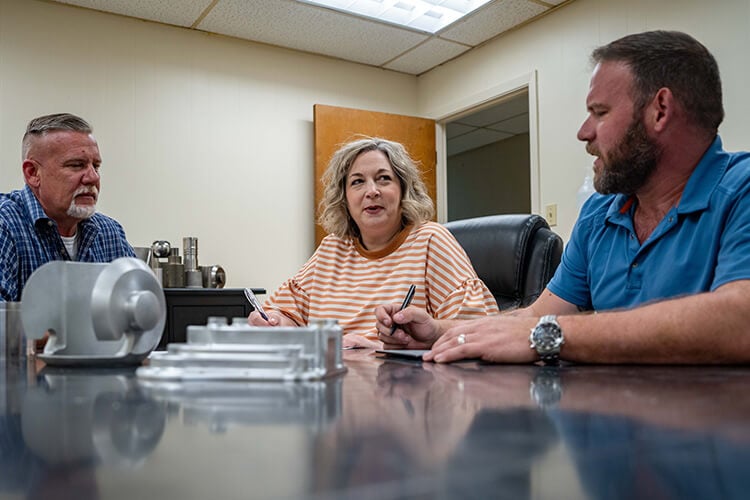
Our precision machining process starts with understanding the part before it reaches the machine. At OWSI, we work with customers from initial review through production, with input on drawings, materials, tolerances, machining requirements, production needs, and quality checks. The goal is to create a clear path from part review to finished component.
1. Support Before Production Begins
Good machining work starts before production begins. When a customer brings us a part, drawing, concept, or production need, our first step is to understand what the work requires.
That early review helps our team think through the details that can affect how the part should be machined. This may include the material, tolerances, geometry, quantity, customer-specific requirements, and intended application, including whether the component may be exposed to wear, load, or vibration in the field.
By looking at those details early, we can help identify potential concerns, ask the right questions, and move toward a manufacturing plan that fits the part.
2. Quote & Part Review
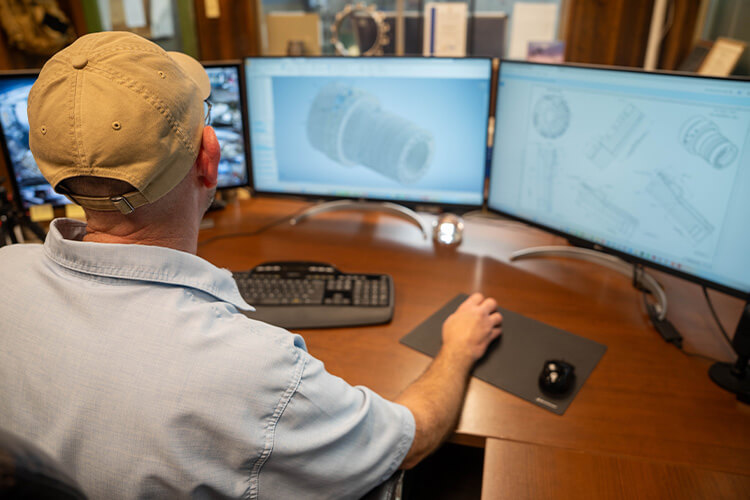
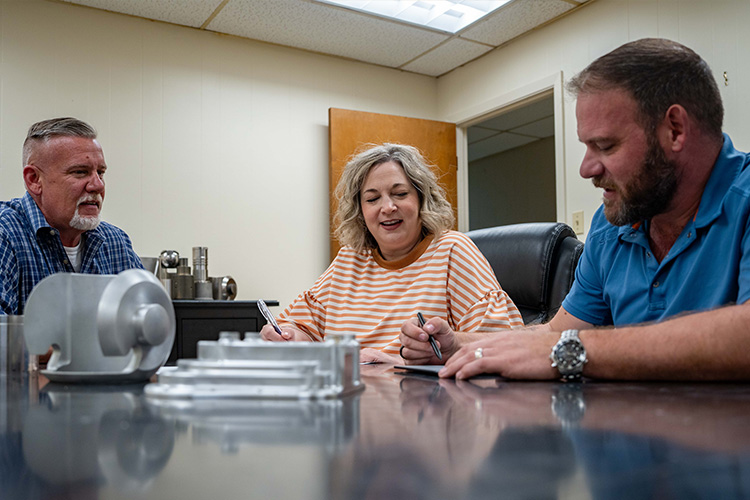
The quote and part review stage gives our team a chance to understand the work before we recommend a path forward. This is where we review the information available and look at what the part will require from a machining, material, and production standpoint.
Helpful information can include:
- Drawings and specifications
- Material requirements
- Tolerances and part geometry
- Quantity or production needs
- Application details
- Inspection or documentation requirements
This review helps us understand whether the work is a fit for our equipment, process, and experience.
3. Engineering & Manufacturability Support
Some parts need more than a standard machining handoff. When a component includes tight tolerances, complex features, difficult materials, or specific application requirements, it helps to review the work before production begins.
At OWSI, our team can support conversations around manufacturability, machining approach, material considerations, and production requirements. That may include reviewing a drawing, identifying areas that need clarification, discussing how a feature may be machined, or helping a customer think through how the part can move from concept or prototype into production.
This input is especially valuable when small details can affect the final part. By reviewing those details early, our team can help create a more practical path through machining, inspection, and production.
4. Prototype & Small-Batch Production
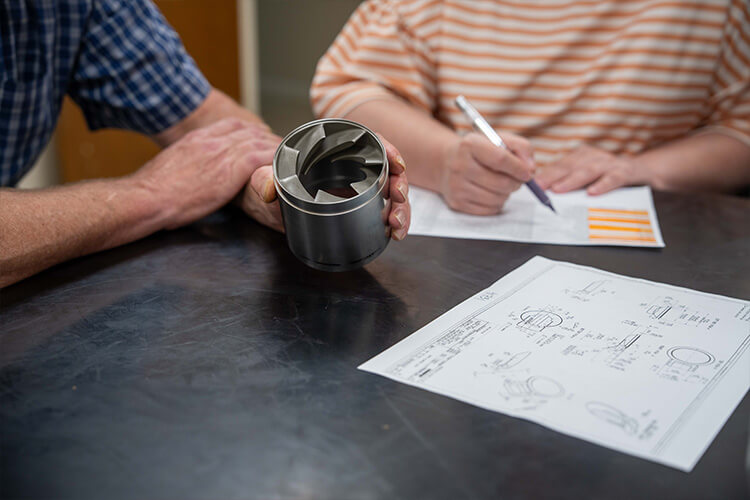
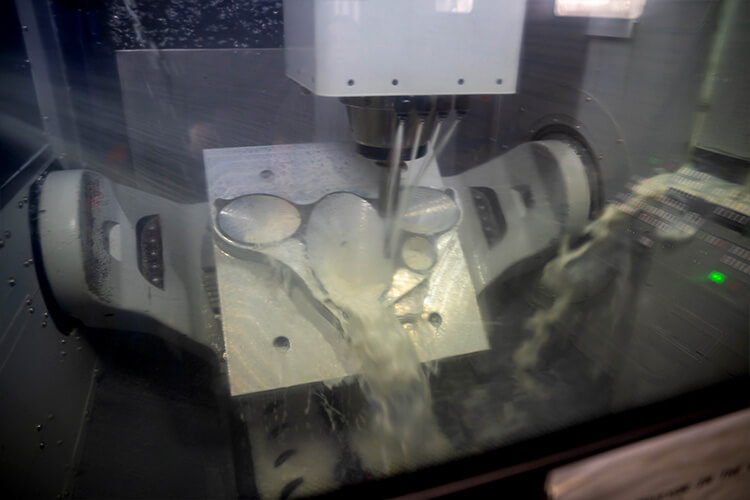
OWSI supports prototype and small-batch production work for customers that need parts made before moving into larger or repeat production. This type of work often helps customers evaluate a component, test an application, or refine production needs before committing to a broader manufacturing plan.
Our team can help review the part, material, tolerance requirements, and intended use so the early production approach fits the work. For some customers, prototype or small-batch machining may be the first step toward repeat production. For others, it may be a focused manufacturing need tied to a specific part or application.
Either way, the process starts with understanding what the part needs to do and how it should be made.
5. Production Planning for Precision Machining
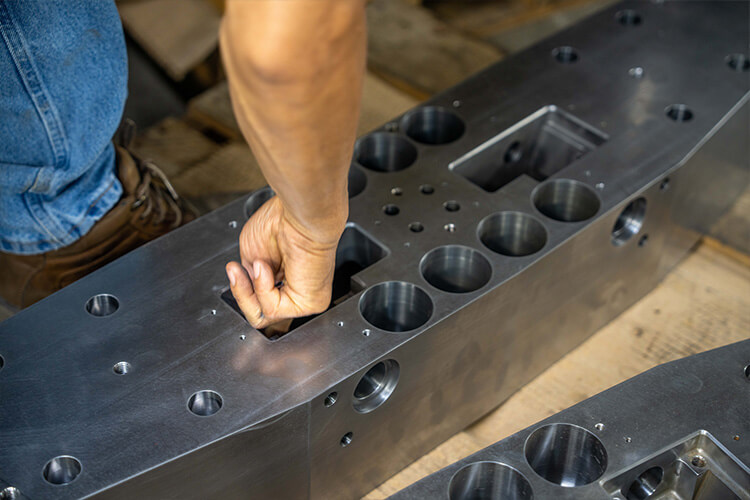
Once the part requirements are understood, production planning helps connect the work to the right machining approach. At OWSI, this can include reviewing machine selection, materials, tolerances, production quantities, inspection needs, and workflow through the shop.
The goal is to plan the work around the part, not force the part into a one-size-fits-all process. Some components may be best suited for CNC milling or lathe work. Others may require EDM, screw machine production, or secondary operations such as manual machining, sawing, passivation, deburring, or blasting before they move to final inspection.
OWSI supports machining, inspection, and secondary operations within its Houston facility, giving the team the resources to coordinate production around the work each part requires.
6. Quality Checks Throughout the Process
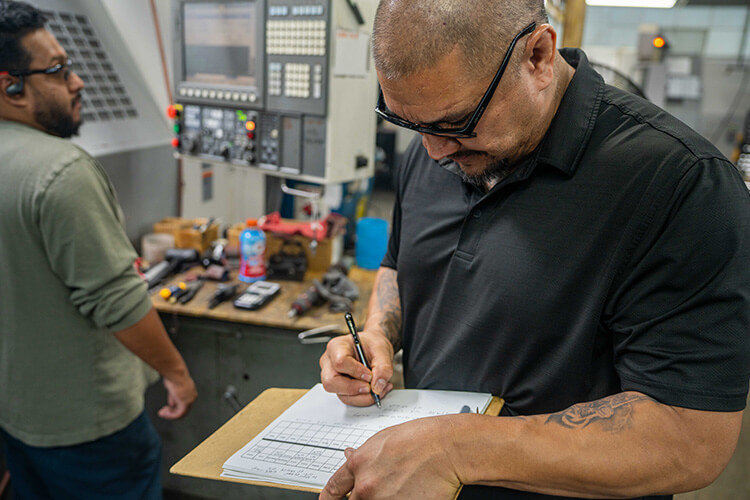
Quality is part of the process before, during, and after machining. OWSI reviews customer requirements early, then uses inspection resources and quality checks to support parts throughout production.
This may include confirming key dimensions, checking features during production when needed, reviewing finished parts, and providing documentation tied to customer requirements when available. For high-tolerance machining and demanding applications, these checks help support accuracy, consistency, and confidence in the finished component.
The goal is to make quality part of how the work moves through the shop, not something treated as a final step only.
7. Repeat Production & Ongoing Support
After an initial production run, some customers need repeat parts or ongoing manufacturing support. OWSI can help carry the knowledge from earlier reviews, prototypes, small batches, or production runs into future work.
That ongoing support may include communication around repeat production needs, drawing updates, material considerations, production quantities, or changes to the part or application. The more our team understands the work, the better we can support future production needs with a consistent process.
Start a Conversation With OWSI
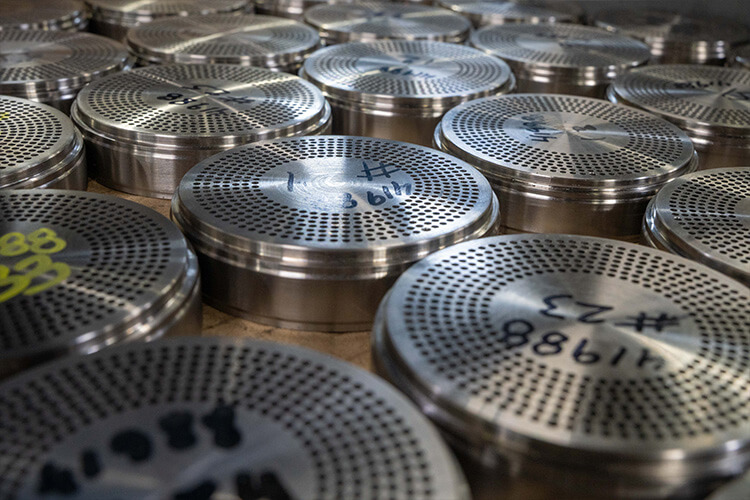
Have a part, drawing, material, or production need you want to discuss? Contact our team, and we can help review the details, answer process and capability questions, and determine whether OWSI is a fit for the work.